Essays, fragments, and small studies.
Stories for people who enjoy taking the longer road to an idea — history, symbolism, psychology, language, ritual, and science, kept clearly apart and still in conversation.
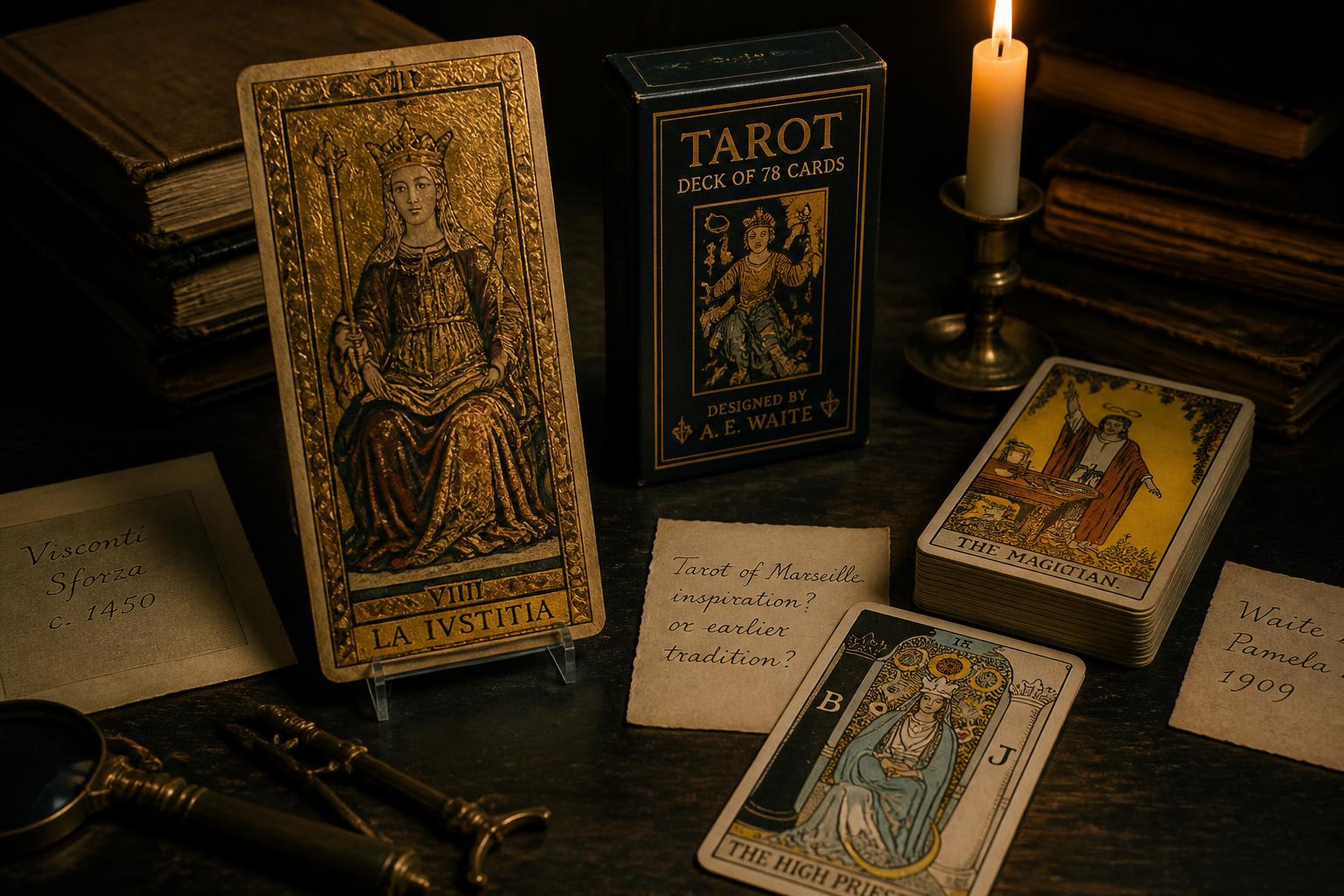
Tarot — From Playing Cards to Forbidden Symbols
Tarot did not begin as a forbidden book disguised as cards. It began as a game. Its later transformation into a symbolic mirror of fate, psyche and occult philosophy is exactly what makes its history so compelling.
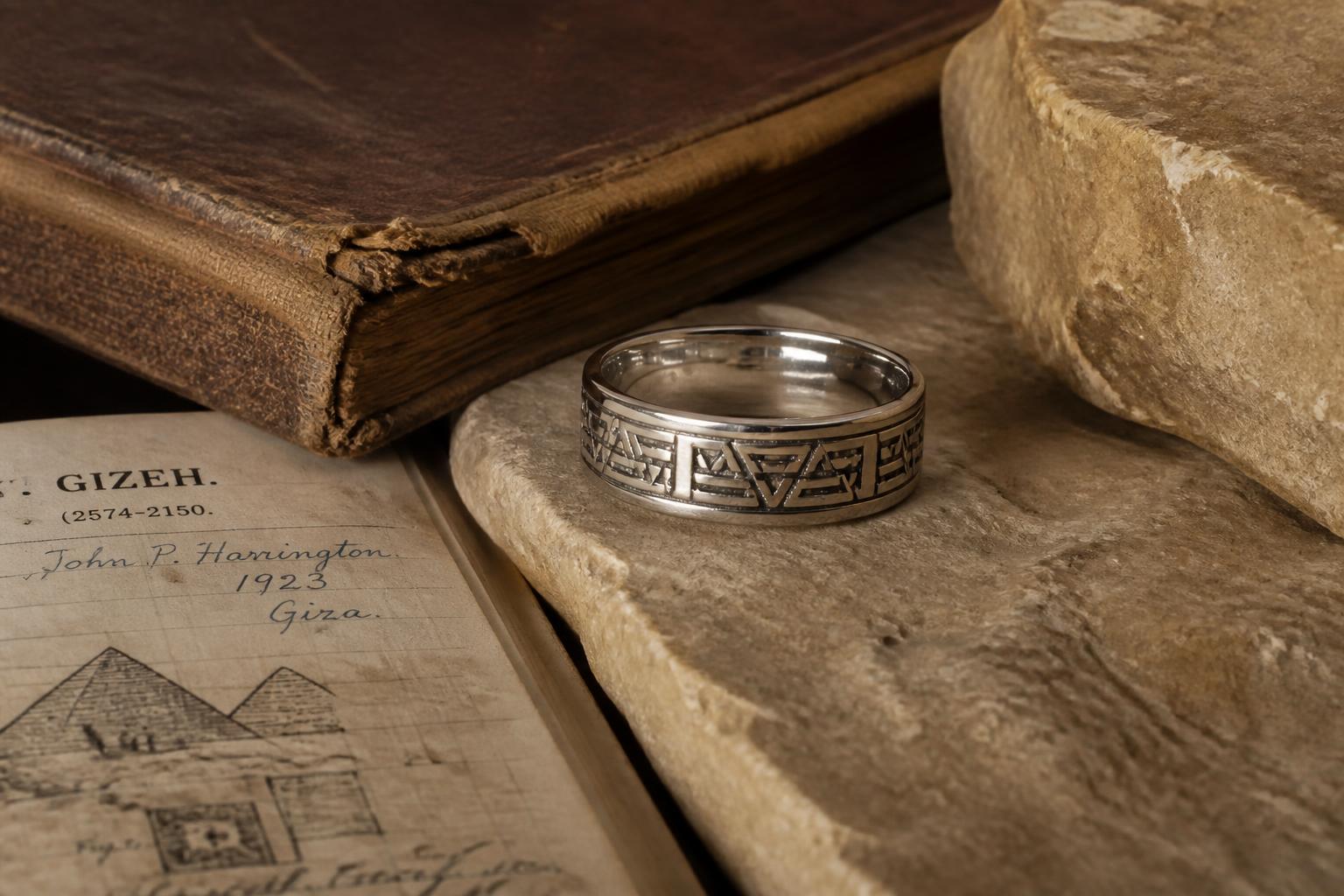
The Atlantis Ring — An Egyptian Object Given the Name of a Lost Civilisation
It is called the Atlantis Ring, yet the popular story places its discovery in Egypt. That contradiction is the beginning of the mystery, not its solution.
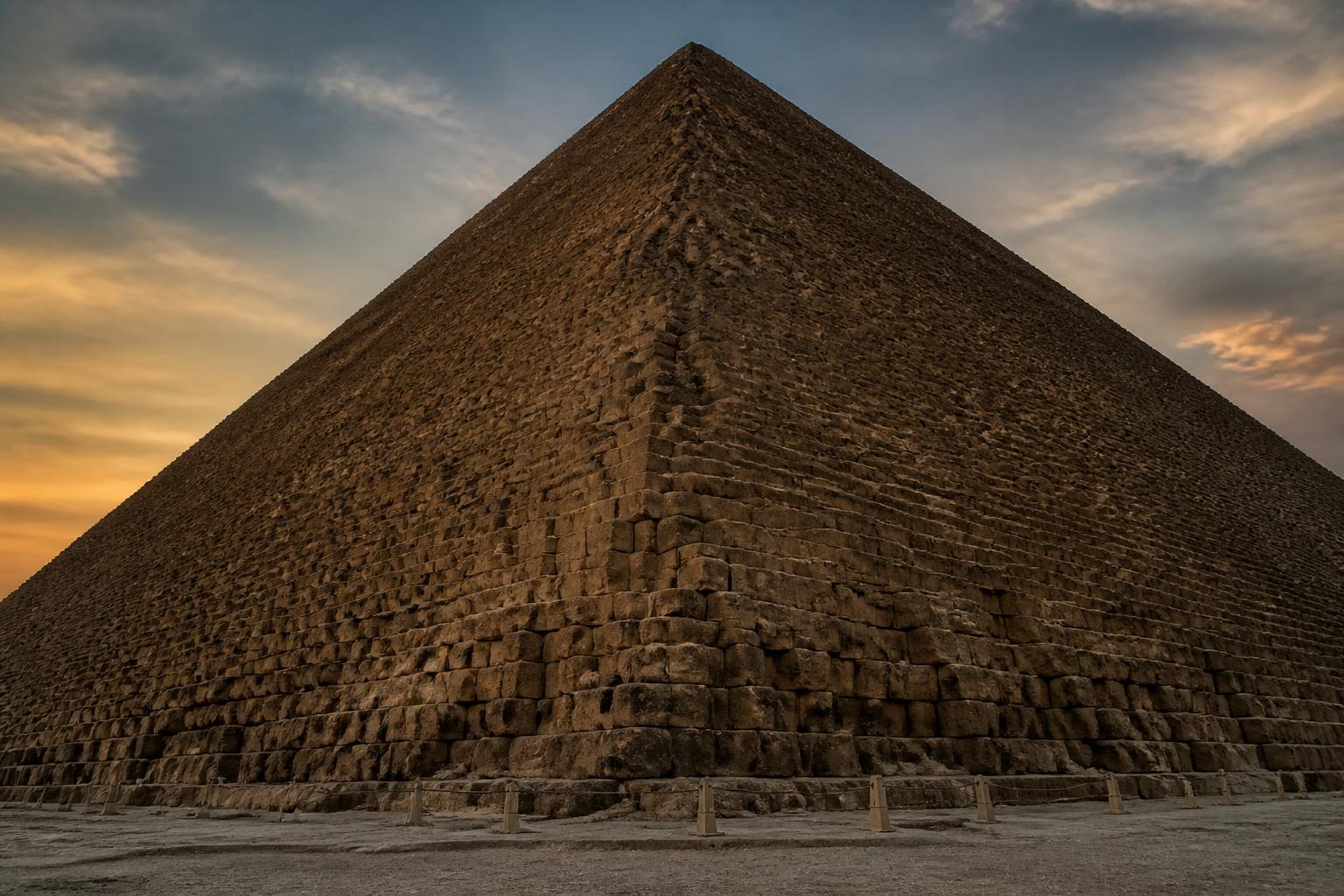
Stone, Water, Sound, Geometry — Was the Great Pyramid Designed as One System?
The Great Pyramid is usually discussed as architecture. But what happens when we stop looking at stone, chambers, resonance, voids and geometry separately and ask whether they interact as one physical system?
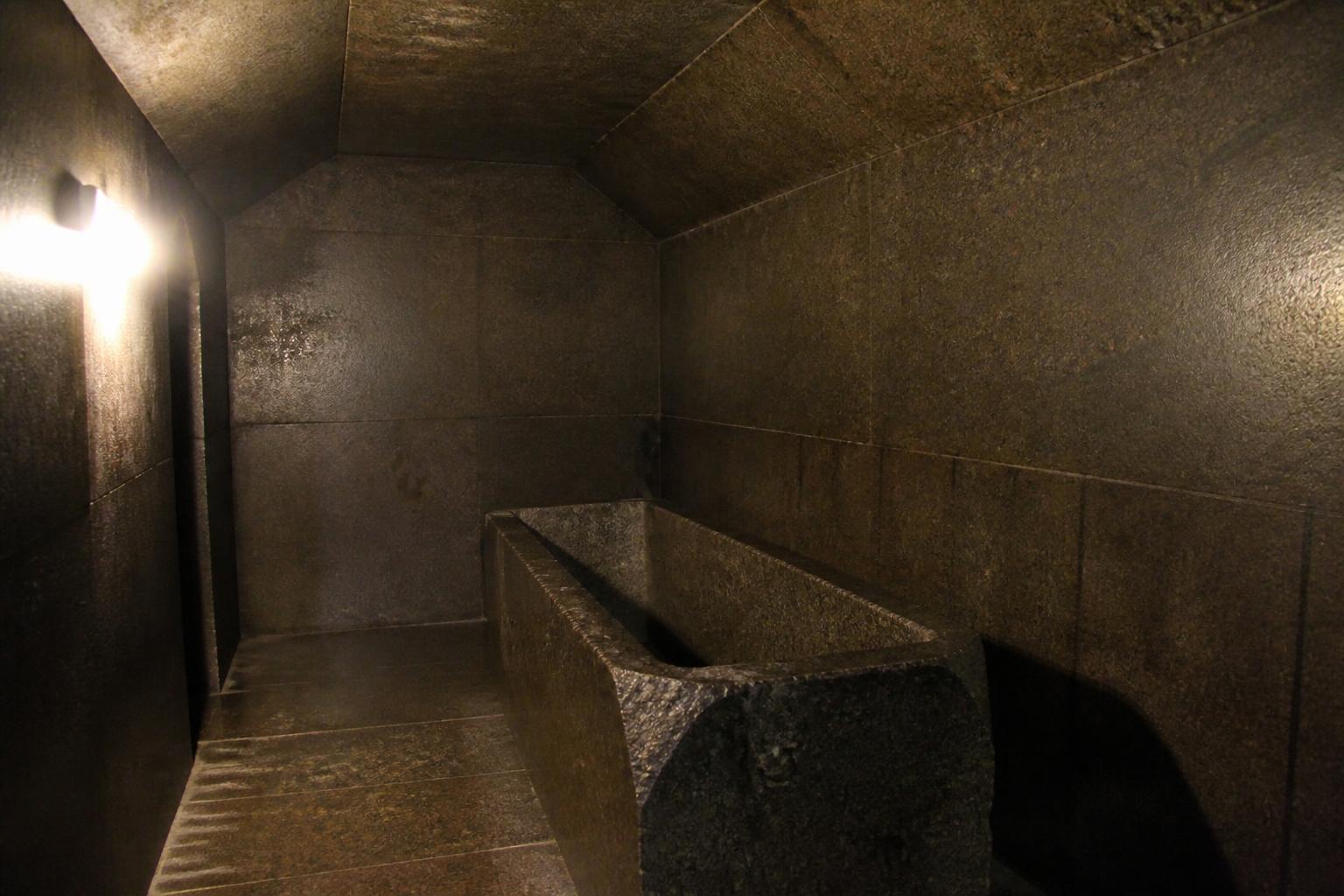
The Sound Inside the Pyramid — What Were the Chambers Designed to Hear?
Stand in a stone chamber, remove modern noise and speak one sustained note. The room answers. The question is whether ancient builders expected that answer.
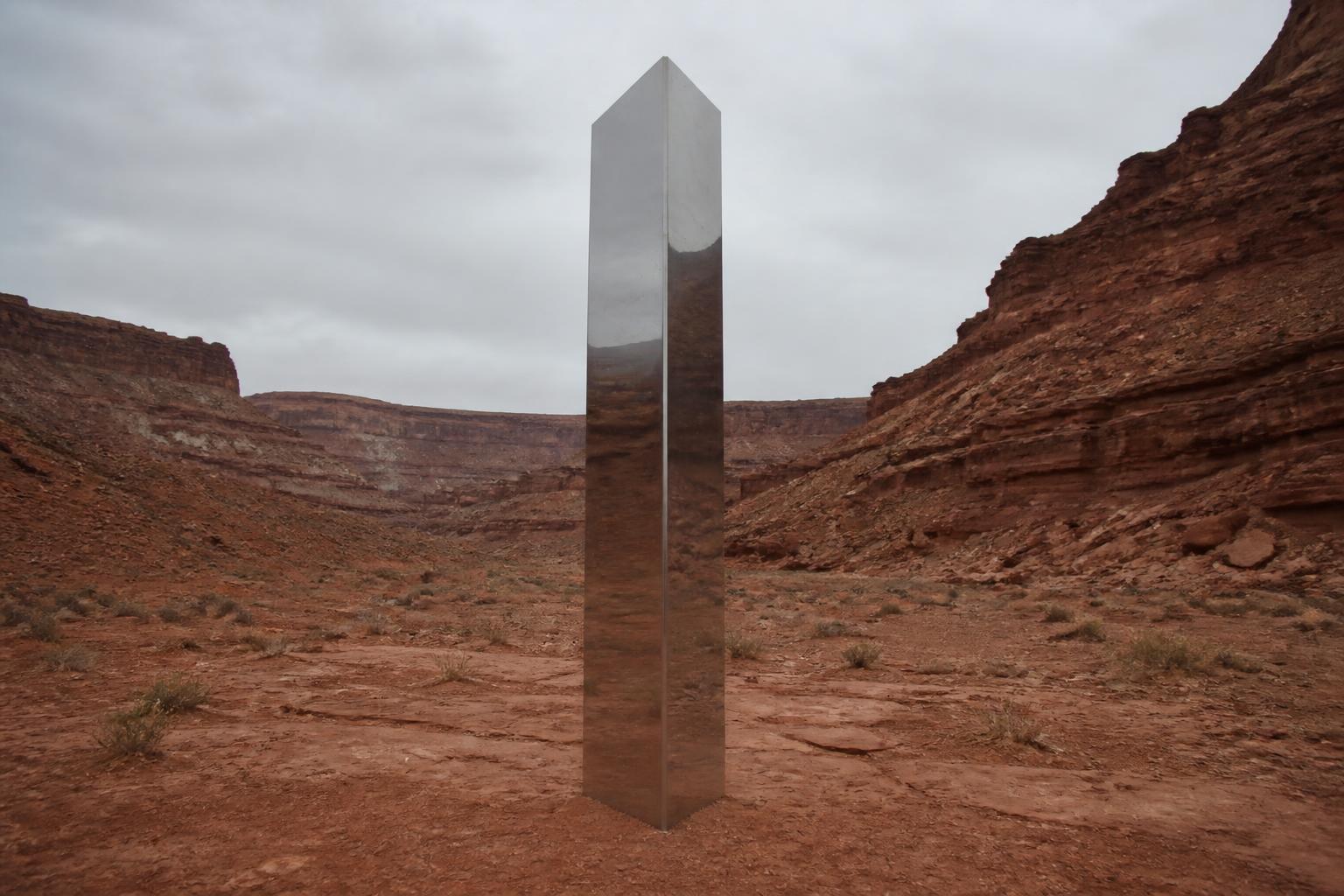
The Monolith Effect — When an Object Says Nothing and Everyone Hears Something
A three-metre metal object stood silently in the Utah desert for years. Once humans noticed it, the silence became a global message.
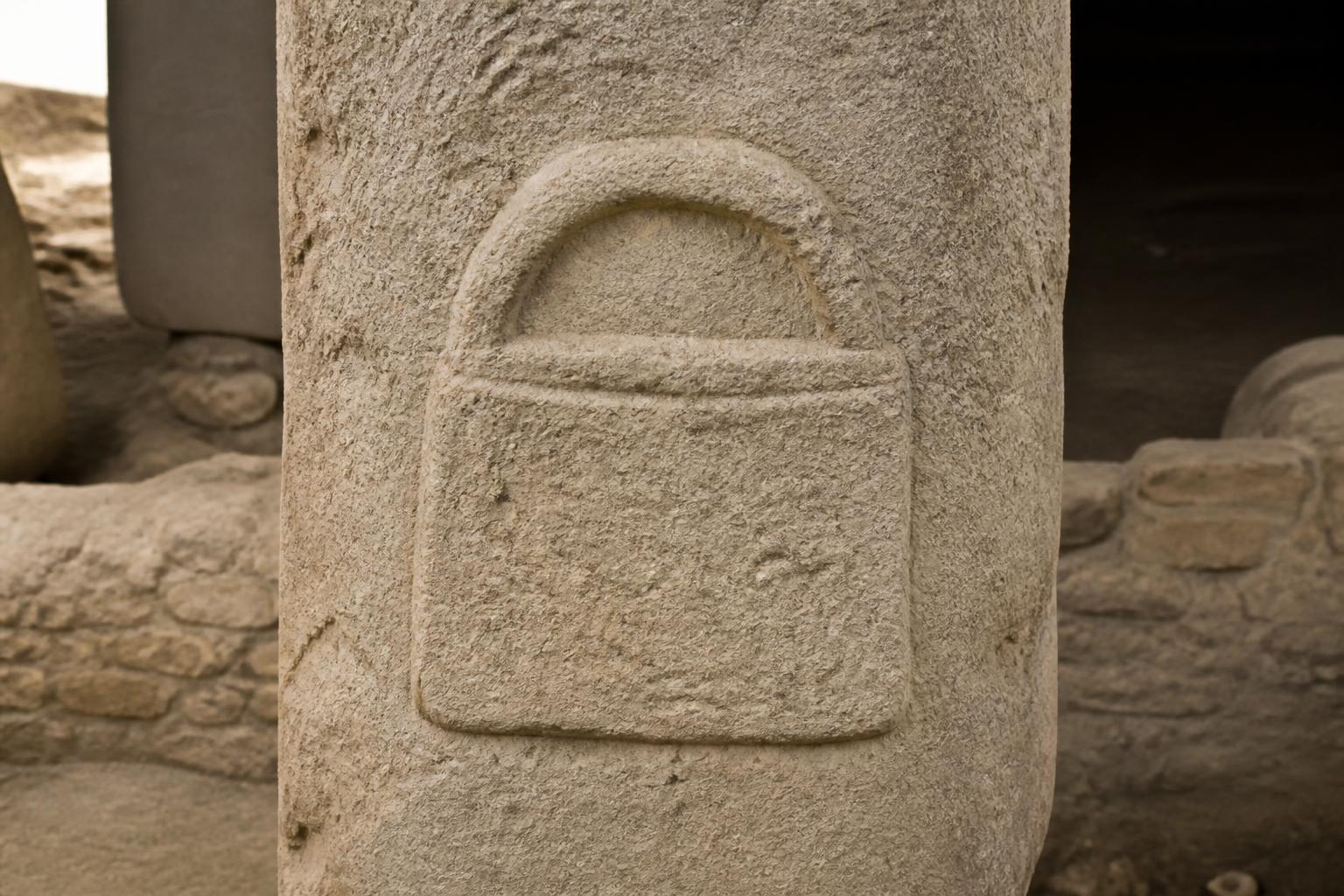
The Handbag Before History — Why Does an Ancient Symbol Look So Strangely Familiar?
A shape that resembles a modern handbag appears in prehistoric and ancient imagery. But resemblance is not identity - and that gap is where the real story begins.
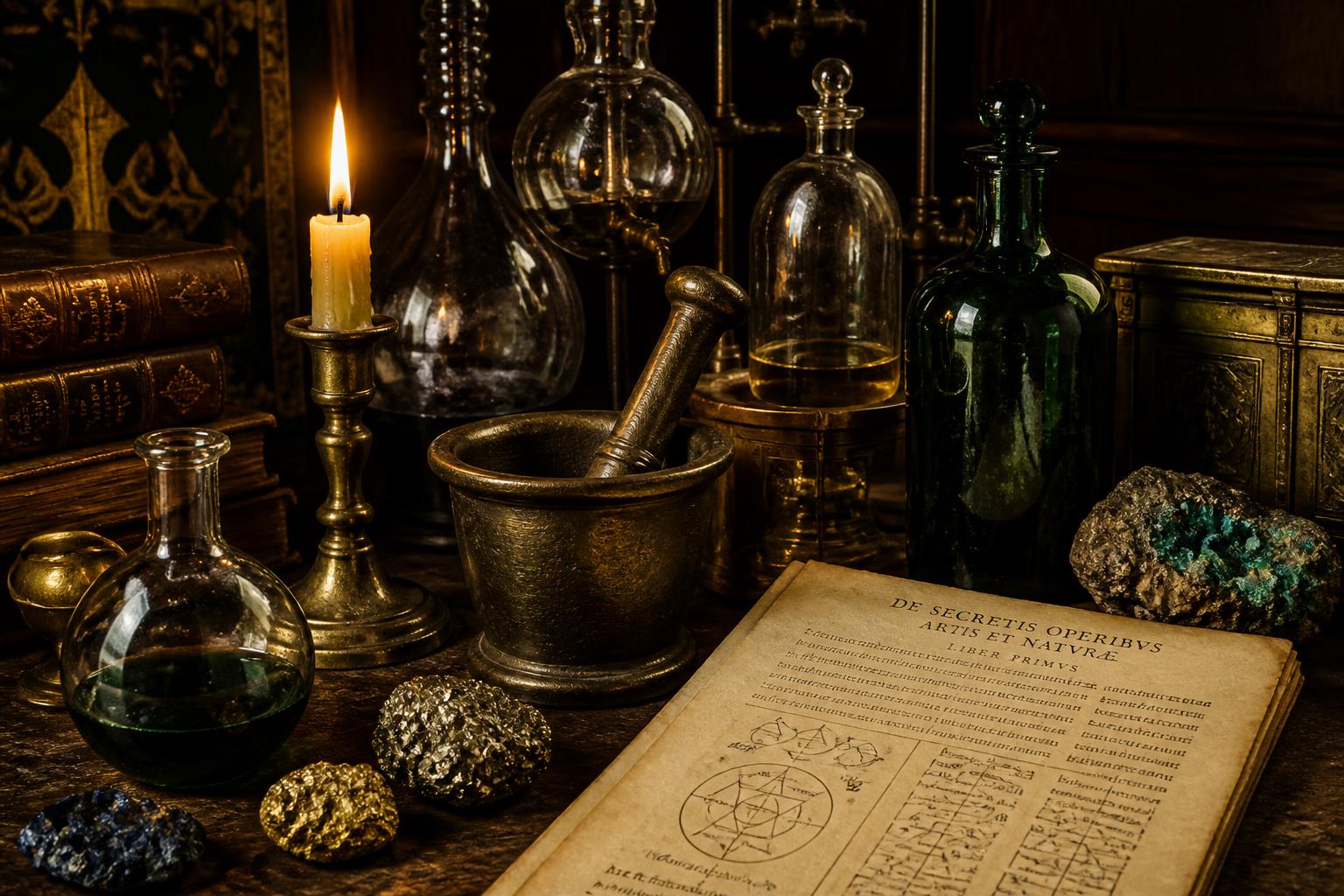
The Philosopher's Stone — Substance, Symbol or Transformation?
For centuries, serious experimenters searched for a substance that could perfect matter, transform metals and perhaps prolong life. The Philosopher's Stone became both laboratory goal and metaphor for human transformation.
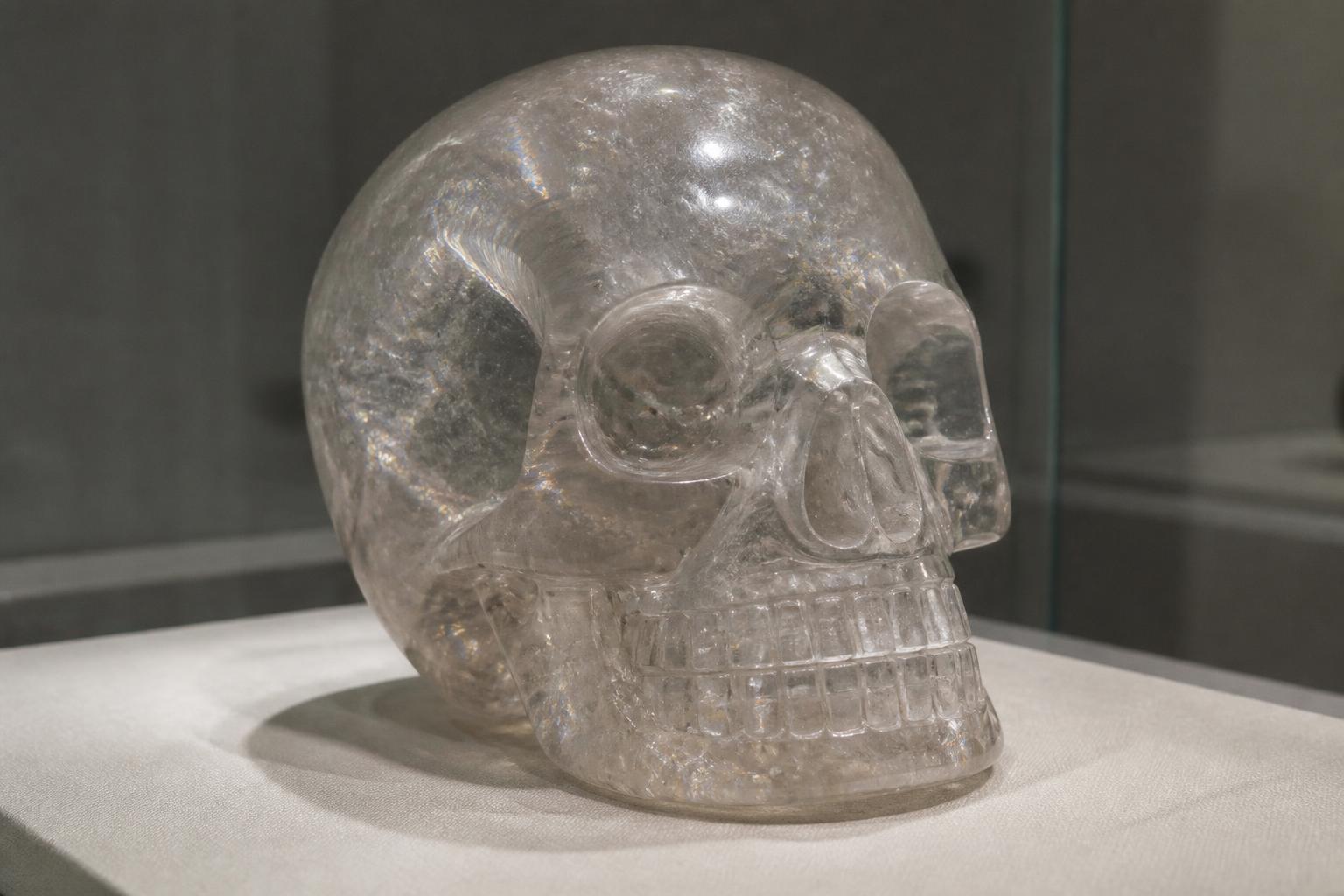
The Crystal Skull Mystery — Archaeology, Legend and the Power of an Object
Crystal skulls look as if they belong to an ancient temple. Scientific examination tells a more complicated story - and raises a better question about how objects become sacred after they are made.
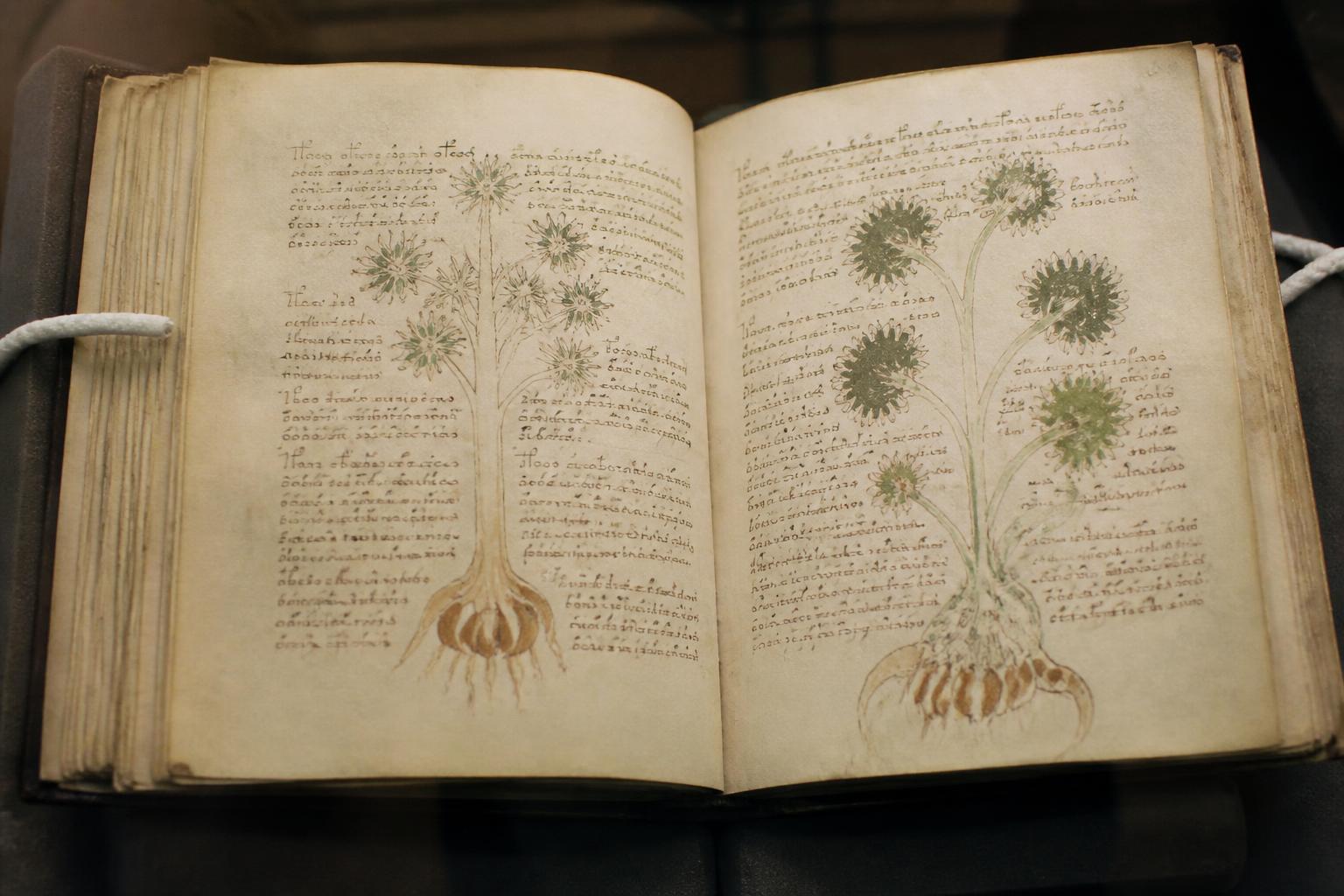
The Voynich Manuscript — The Book Nobody Can Read
Hundreds of pages. Repeated words. Impossible plants. Astronomical wheels. Bathing figures. A script that behaves like language - and still refuses to explain itself.
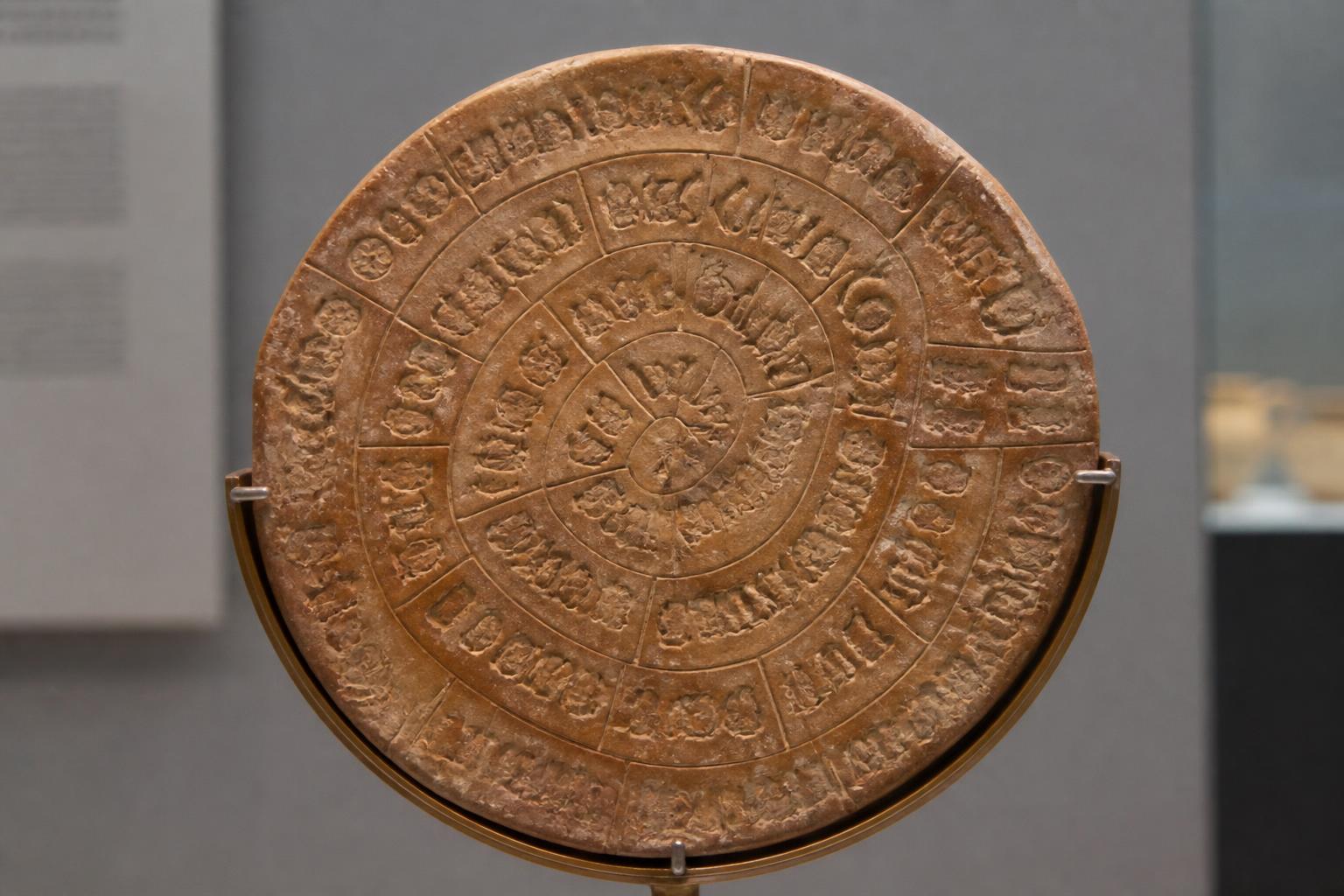
The Phaistos Disc — 241 Symbols and No Certain Translation
A fired clay disc from Bronze Age Crete carries 241 impressed signs arranged in a spiral. We know where it was found. We can see every mark. We still cannot agree on what it says.
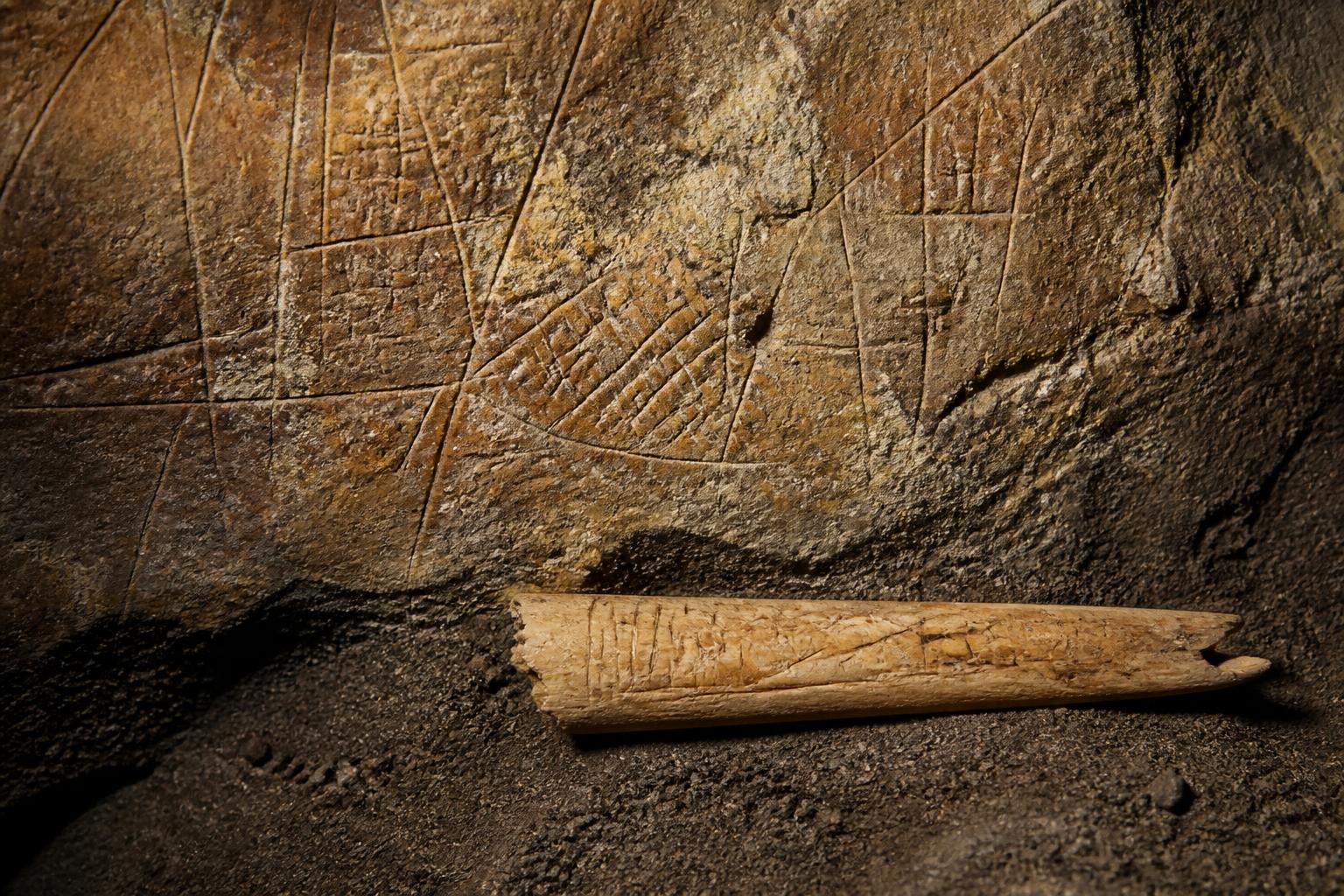
Before the Alphabet — When a Mark Became Meaning
Long before A, B and C, humans cut marks, counted objects, drew animals and built visual systems. The alphabet was not the beginning of writing. It was one extraordinary simplification in a much older history.
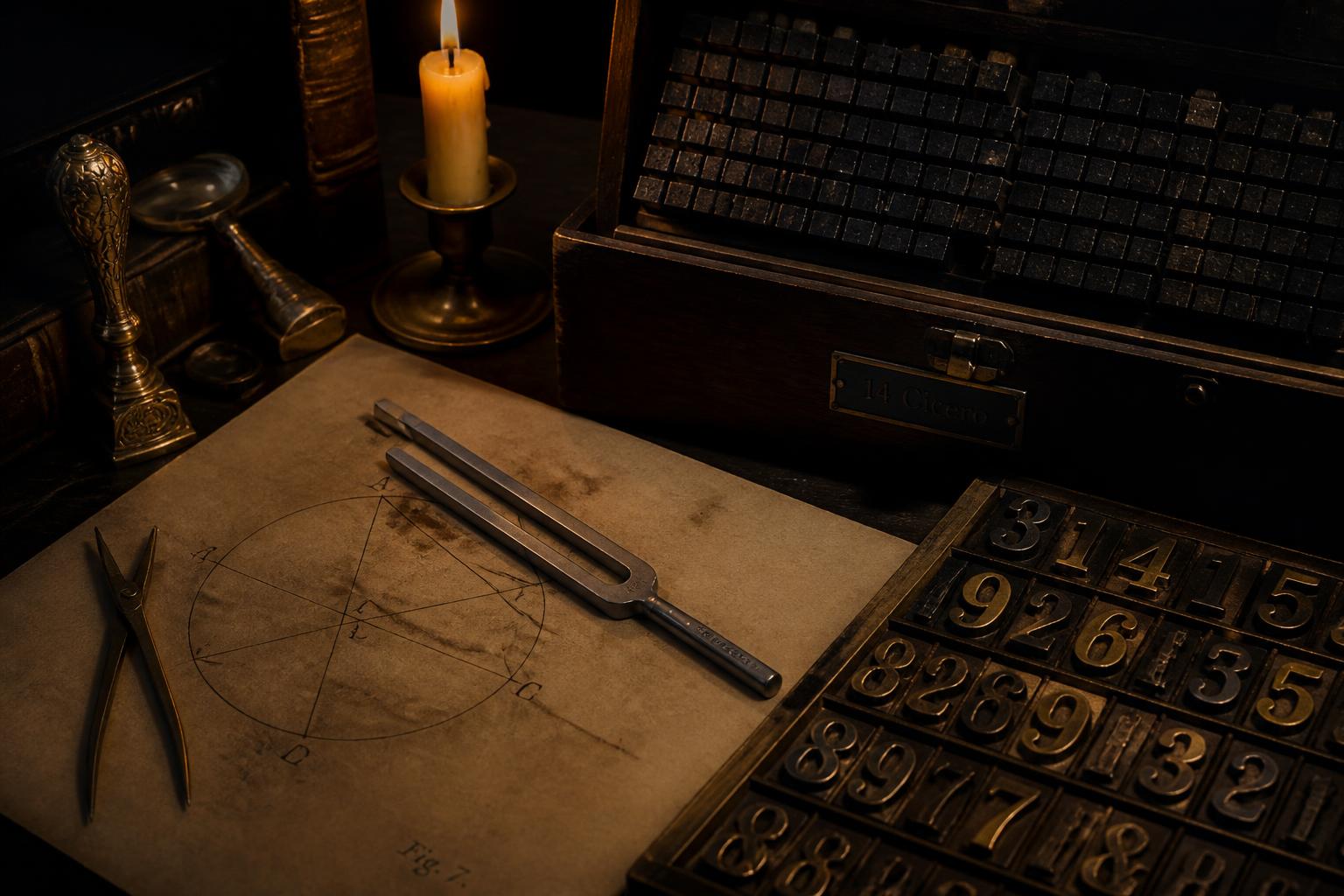
Letter, Number, Sound, Image — Were They Ever Truly Separate?
Modern life separates letters, numbers, sounds and images into different systems. Ancient writing traditions repeatedly crossed those boundaries. One sign could be read, counted, spoken and symbolised.
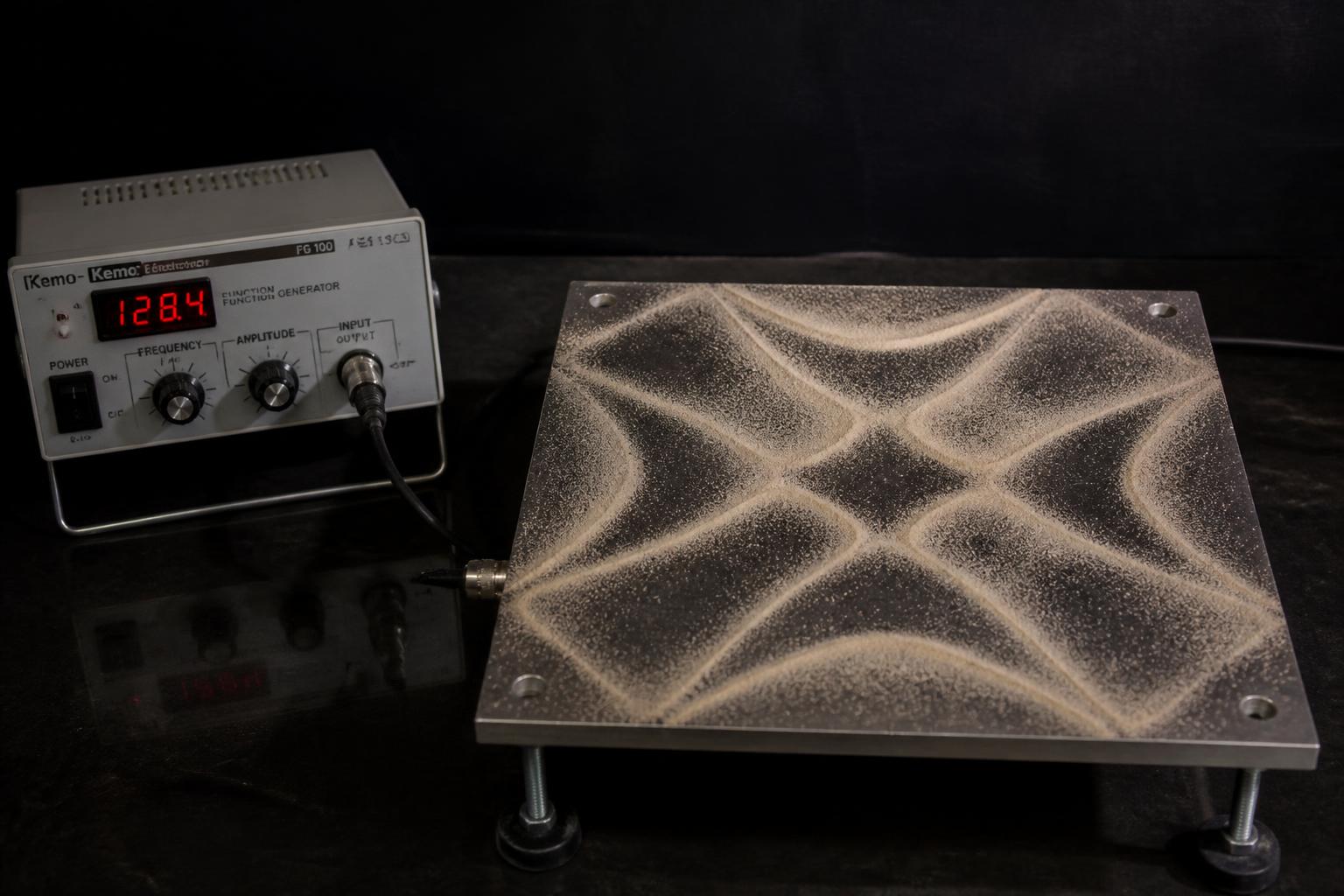
Shapes, Sound and the Human Mind — Can Form Change How We Feel?
A sharp shape can feel louder than a round one. A low tone can feel larger than a high tone. Architecture, language and music all exploit cross-sensory relationships the brain often notices before we do.
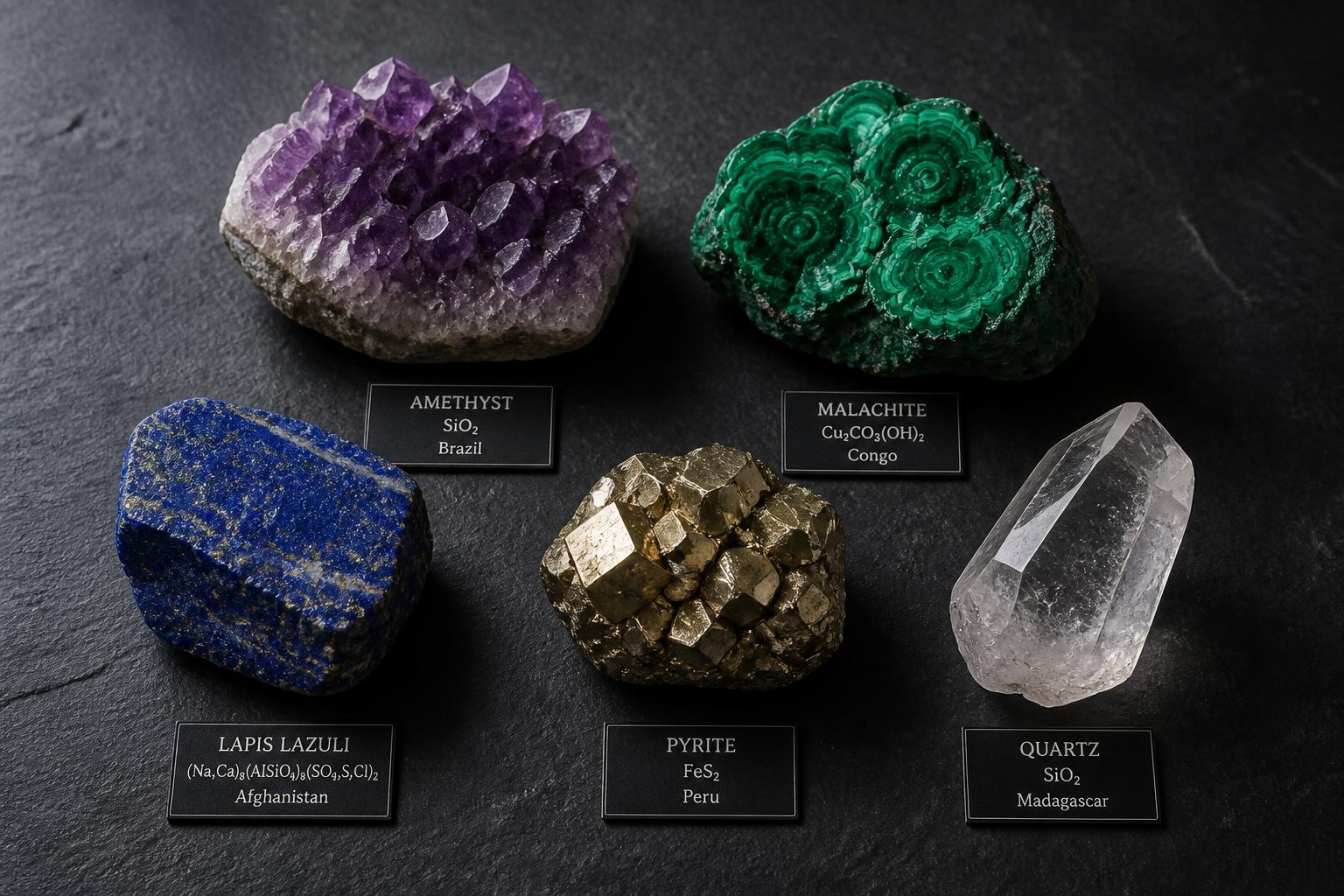
Minerals, Crystals and the Human Field — Matter, Colour and Meaning
Crystals genuinely interact with pressure, light, electricity and magnetism. Humans genuinely attach emotion and symbolism to colour. The difficult question is what happens when measurable material properties become claims about an invisible human field.
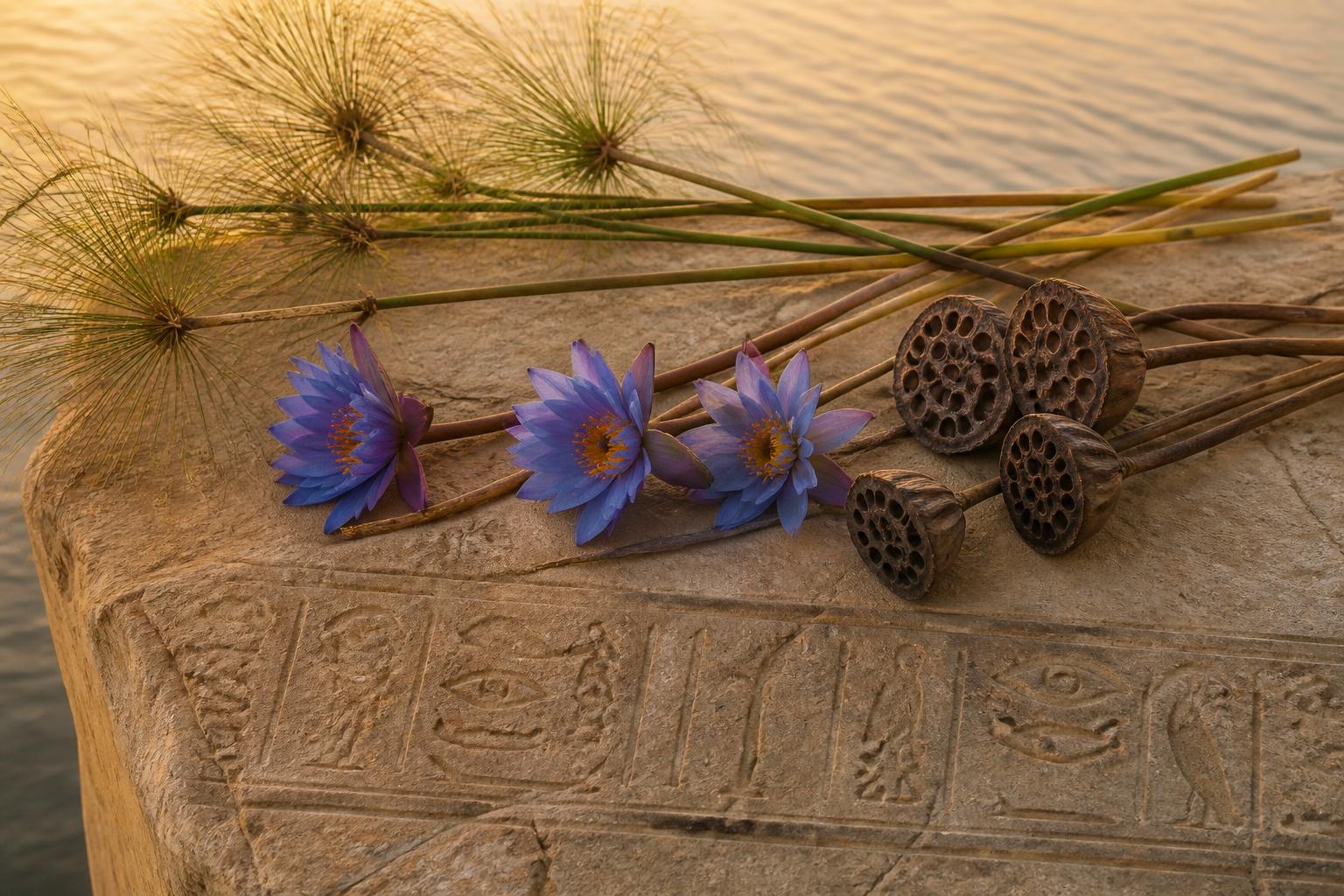
The Sacred Botanical Code of Ancient Egypt — Plants, Symbols and Survival
In ancient Egypt, plants were food, medicine, building material, perfume and writing surface - but they were also symbols. The Nile landscape became a vocabulary of rebirth, kingship, protection and creation.
Heka — When Words Were Believed to Have Power
In ancient Egypt, words were not treated as neutral labels. Speech, writing, image and ritual could be understood as actions that helped establish order, protection and healing. Heka is often translated as magic, but that modern word can hide as much as it reveals.
Ma'at — The Feather, the Heart and the Architecture of Balance
Ma'at is often reduced to a feather on a scale. In ancient Egypt she was more than a funerary symbol: Ma'at named an ideal of truth, order, rightness and balance that connected the cosmos, society and personal conduct.
Ren — Why a Name Mattered in Ancient Egypt
Ancient Egyptian personhood was made of more than a body. The ren - the name - could preserve identity across memory, ritual and death. To erase a name was not merely to edit a record; it could threaten the continuation of a person in the social and sacred world.
Seshat — The Goddess Who Counted, Measured and Remembered
Seshat stands at a fascinating intersection of writing, measurement, record keeping and sacred order. Her image asks a modern question with ancient roots: when a civilisation measures the world, is it only counting - or is it deciding what deserves to be remembered?
The Djed — How a Pillar Became a Symbol of Stability
The djed is one of ancient Egypt's most persistent signs. It could write the idea of stability, appear as an amulet, and later become deeply associated with Osiris. Its history shows how symbols gather meaning instead of receiving it all at once.
The Ankh — Life, Breath and the Problem of a Famous Symbol
The ankh is now printed on jewellery, tattoos, fashion and spiritual graphics around the world. In ancient Egypt its primary meaning was life. Beyond that, the symbol becomes a lesson in how quickly certainty can outrun evidence.
Twelve Hours of the Egyptian Night — Maps of the Duat
In the Amduat, night is not an empty interval between sunset and dawn. It is a structured journey through twelve hours of danger, knowledge, transformation and renewal as the sun passes through the Duat.
The Scarab — From Dung Beetle to Solar Rebirth
The scarab joined observation of an ordinary beetle to one of Egypt's largest ideas: the daily regeneration of the sun. But scarabs were also seals, names, protective objects and carriers of political identity.
The Phoenician Alphabet — How 22 Signs Changed the Mediterranean
The Phoenician script did not appear from nowhere, and it was not the first writing system. Its importance lies elsewhere: a compact consonantal script travelled through networks of trade and contact, then helped shape the Greek alphabet and, much later, the letters many of us use today.
Why Humans Mark Thresholds — Doors, Rites and the Psychology of Transition
Birthdays, weddings, funerals, graduations, first days, last days, keys, doorways and crossings all do similar work: they make a change visible. Humans repeatedly build rituals around the moment when one state is ending and another has not fully begun.
Synchronicity — Jung, Meaningful Coincidence and the Pattern-Making Mind
A coincidence can feel statistically ordinary to one person and life-changing to another. Jung called some such experiences synchronicities: meaningful coincidences that seemed connected without an ordinary causal link. Psychology can study the pattern-making mind without deciding that meaning is an illusion.
Why Repetition Feels Powerful — Ritual, Predictability and the Human Nervous System
Repetition appears in prayer beads, breathing practices, songs, tea ceremonies, military drill, bedtime routines and compulsions. The same surface feature can soothe, coordinate, teach or trap. Its effect depends on context, meaning and flexibility.
The Architecture of Silence — Why Absence Can Communicate More Than Speech
Silence can mean care, punishment, attention, resistance, uncertainty, reverence or nothing at all. It is not the absence of communication so much as a space whose meaning is supplied by context.
Sound, Frequency and the Body — What Physics Says, What Physiology Says, What Metaphor Adds
Frequency is a precise physical quantity, but online culture often uses the same word to mean mood, spirituality, identity and healing. The confusion begins when those meanings are treated as interchangeable.
The Memory Palace — How Place Became a Technology for Thought
The method of loci turns memory into architecture. Instead of repeating a list, the memoriser places vivid images along a familiar route and retrieves them by mentally walking through space. Ancient rhetoric and modern cognitive science meet inside the same imagined building.
Morphic Fields: A Bridge Between Worlds
Morphic fields sit in a fascinating borderland: rooted in a real biological vocabulary, expanded by Rupert Sheldrake into a controversial hypothesis, and embraced by culture as a metaphor for memory, pattern and connection. What happens when we separate what science has established from what imagination is still asking?
The Language Before Language — When Symbols Spoke Before Words
Long before alphabets, humans made marks that carried attention, memory and identity. But a symbol is not automatically a language, and a mark is not automatically writing. The distance between them is where one of humanity's greatest transformations took place.
The Egyptian Mind — When a Word Was Also an Image
Egyptian hieroglyphs are often described as pictures, but they were much more: a writing system capable of recording a living language. Their unusual power comes from the way sound, image and classification can coexist in the same line.
Numbers Before Mathematics — When Counting Became Meaning
Numbers began as practical tools for quantity, but human cultures repeatedly gave them a second life as symbols of order, cycle and identity. The story of number is therefore both mathematical and cultural.
The Door as a Universal Symbol — Thresholds Between One State and Another
A door is an ordinary machine with an extraordinary symbolic life. It divides and connects, hides and reveals, protects and invites. Across architecture, religion, myth and psychology, the threshold becomes a model for change itself.
Göbekli Tepe and the Question That Refuses to Disappear
Göbekli Tepe did not prove that a forgotten high-tech civilisation built the Neolithic world. What it did was more interesting: it forced archaeology to reconsider how monumentality, ritual, gathering and early settled life could emerge among communities living at the edge of the farming transition.
The Body as an Archive — Can Experience Leave Patterns Behind?
People often say that 'the body remembers.' The phrase can be deeply true as metaphor and partly true in specific biological senses — but it can also be misunderstood. What exactly can experience change in a body, and where does memory actually live?
DNA, Memory and Resonance — Where Science Ends and Metaphor Begins
DNA is often called a memory of life. The metaphor is beautiful, but it becomes misleading when we ask it to carry too much. DNA stores sequence information; epigenetic systems regulate how that information is used; neither has been shown to contain our ancestors' lived memories.
Ka, Ba and Akh — Was the Egyptian Soul Really One Thing?
Modern readers often ask what ancient Egyptians believed about 'the soul.' The difficulty is that Egyptian personhood was not organised around one neat equivalent. Ka, ba, akh, ren, ib, shadow and body formed a more layered picture of what a person could be.
The Eye of Horus — Myth, Protection and the Mathematics People Added Later
The Eye of Horus is one of the most recognisable Egyptian symbols. It genuinely belonged to myths of injury, restoration, protection and regeneration. It also became linked to fraction signs. But some of the most viral modern explanations combine ancient material with later reconstruction.
The Quiet Grammar of Symbols
Symbols are not decorations. They are a second language — older than writing, quieter than speech — and they follow rules we rarely notice.
Forgotten Words And What They Remember
Some words fall out of use not because they were wrong, but because we became too fast to notice what they described.
The Hand That Thinks
Long before we speak a decision, the body has already begun to make it. Reading gesture is reading thought in its earliest form.
Sacred Geometry Is Just Geometry, Noticed Slowly
Strip away the mystique and you are left with something more interesting: pattern, ratio, and the human urge to find them.
On Archetypes And Why They Return
Jung called them the inherited grammar of the psyche. Whether or not we accept the metaphysics, the patterns keep arriving.
Numbers As A Second Alphabet
Long before mathematics became a science, it was a language of meaning. Litterae Numeratae is an attempt to hear both at once.
Philosophy As A Daily Practice
The old philosophers did not write for exams. They wrote to be lived with — a page at breakfast, a paragraph before sleep.
The Difference Between Mystery And Mystification
Real mystery invites more thought. Mystification shuts it down. The studio's rule: never trade one for the other.